The Ultimate Guide to Stem Bending Force Tester in the UK
The Ultimate Guide to Stem Bending Force Tester in the UK
A stem bending force tester is a device used to measure how much force a plant stem or crop stalk can withstand before it bends, deforms or fails. In the UK, it is used by growers, agronomists, breeders and researchers to assess stem strength objectively, reduce lodging risk and compare crops, treatments or varieties using repeatable data.
TL;DR: A stem bending force tester helps UK growers and researchers measure stem strength accurately, which supports better decisions on lodging risk, varietal performance, handling resilience and crop management. Based on our testing focus at NottiTikTok, a dedicated unit with a 50N force gauge test stand is especially useful where teams need practical, repeatable stem and stalk strength measurements in field and laboratory settings.
Weak stems cost growers money. Lodging, handling damage, inconsistent crop development and unreliable trial results all become harder to manage when stem strength is not measured properly. As a result, a stem that bends or collapses too easily can undermine harvest efficiency, reduce marketable yield and distort breeding or agronomy decisions.
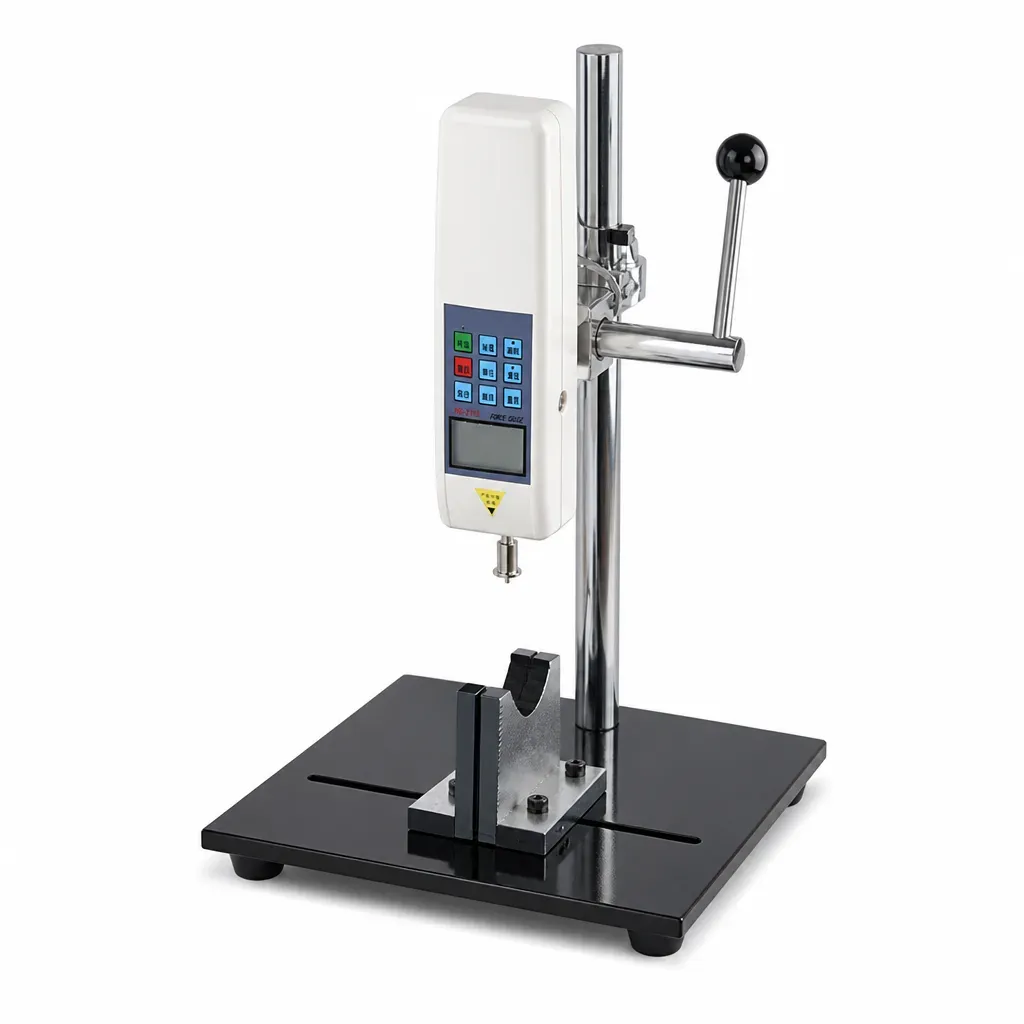
At NottiTikTok, the focus is clear: Plant Stem Strength Tester for Crop Stalk Strength Testing. The product is built as a specialist stem bending force tester and plant compression strength tester with a 50N force gauge test stand, designed for users who need practical, field and lab-ready measurement of stem strength. For UK customers, that matters because British agriculture, horticulture and crop research environments demand equipment that is robust, easy to use and capable of producing dependable results across repeat tests.
This guide explains what a stem bending force tester does, why it matters, what to look for before buying, how to use one correctly, and where it fits into real UK crop testing workflows. In short, the aim is to help you choose and use the right tester with confidence.
What should you know before buying a stem bending force tester?
Stem bending force testers provide measurable, repeatable data on crop stem strength, reducing reliance on subjective assessment.
A specialist unit with a 50N force gauge test stand is well suited to many crop stalk strength testing applications in UK research, agronomy and production settings.
Reliable stem strength data supports decisions around breeding, varietal comparison, harvest timing, handling, storage and lodging risk assessment.
Consistency in sample selection, test position, loading speed and recording method is critical if results are to be trusted.
Based on our testing focus, NottiTikTok’s product positioning aligns with users who need a dedicated plant stem strength tester and plant compression strength tester for serious crop testing work.
What is a stem bending force tester?
A stem bending force tester is a purpose-built instrument used to measure the force required to bend a plant stem or crop stalk to a defined point. In practical terms, it allows the operator to quantify stem strength rather than relying on visual inspection or manual feel. That distinction matters because crops that look broadly similar can perform very differently when exposed to wind, rain, handling, mechanical harvesting or transport.
Depending on the setup, the tester can be used to assess resistance to bending, compression or structural failure. In a crop testing environment, the goal is usually to generate consistent comparative data: which variety is stronger, which treatment improves stem robustness, or which growing conditions have weakened plant structure.
A specialist system such as the NottiTikTok unit combines the practical benefits of a stem bending force tester with the added usefulness of a plant compression strength tester. Therefore, it suits teams that need more than one type of plant mechanical assessment from a single instrument platform.
Why is stem strength testing important in the UK?
In the UK, weather variability is one of the clearest reasons to take stem strength seriously. Heavy rainfall, gusting winds and unsettled seasonal conditions can all increase the risk of stem bending, leaning or full lodging in susceptible crops. Where stem strength is poor, the commercial consequences can include reduced harvest speed, lower grain or biomass recovery, increased waste and a higher labour burden.
Stem strength also matters in protected cropping, horticulture, propagation and plant research. Likewise, plants handled repeatedly during grading, transport or trial work can suffer structural damage if their stems are weaker than expected. For research teams, weak methods produce weak conclusions. If the test approach is inconsistent, the data cannot be used with confidence when comparing varieties, fertiliser programmes or environmental treatments.
According to UK guidance from AHDB, lodging remains a major cause of yield and quality loss in cereals, while stem lodging in oilseed rape can also reduce yield significantly depending on timing and severity. These outcomes underline why objective mechanical testing has value well beyond the laboratory.
For British users, the right instrument is not simply a lab accessory. Instead, it is a decision-making tool that can support agronomy, breeding, quality assurance and operational efficiency.
Who uses a stem bending force tester?
The stem bending force tester serves a wide range of professional users across the UK. Although the exact testing protocol varies by crop and organisation, the need for repeatable force measurement is shared across sectors.
Do crop researchers and plant scientists use stem bending force testers?
Yes. Universities, independent research centres and applied crop science teams use stem strength data to compare varieties, evaluate growth conditions and investigate plant structural performance. As a result, a repeatable tester helps ensure that published or internal findings are based on measurable evidence.
Why do breeders and varietal development teams use them?
For breeders, stem strength can be a selection trait with direct commercial importance. When screening lines for performance, a reliable stem bending force tester helps distinguish promising material from weaker candidates early in the process.
How do agronomists and technical crop advisers use stem strength data?
Agronomy teams may use stem testing to assess the impact of nutrition, plant growth regulation, irrigation strategy or disease pressure on structural resilience. This can be especially useful when advising growers on risk management in exposed UK sites.
Can commercial growers benefit from a stem bending force tester?
Yes. Growers running trials or benchmarking crop performance can use a plant stem strength tester to support better practical decisions, including varietal choice and crop management adjustments. Data is particularly useful where lodging or handling damage has caused repeat issues.
Do quality control and post-harvest teams use stem testing?
Yes. Where plant material must withstand harvesting, packing or movement through a supply chain, compression and bending tests can help identify weak points in the process. For that reason, the dual function of a stem bending and compression testing setup is valuable.
How does a stem bending force tester work?
Although designs vary, the principle is straightforward. The stem is positioned in the tester, force is applied in a controlled way, and the instrument records the amount of force required to bend the sample to a chosen point or until failure occurs. Because the process is measured rather than estimated, the result is more consistent and easier to compare across samples.
In practice, users normally standardise the sample type, test position and loading method before recording readings. Based on our testing focus, this consistency is what turns a force reading into useful decision data rather than a one-off observation.
What should you look for in a stem bending force tester?
When choosing a stem bending force tester in the UK, the first priority is repeatability. The instrument should allow you to test stems in a consistent position, apply force in a controlled manner and record results clearly. Otherwise, comparisons between crops, sites or treatments quickly become unreliable.
It is also worth checking the force range, the build quality and whether the unit suits both field and laboratory use. A 50N force gauge test stand is a practical option for many crop stalk strength applications because it offers enough sensitivity for plant testing without becoming unnecessarily complex for routine use.
In addition, some users benefit from a tester that also supports compression work. That can be useful if the same team needs to evaluate both bending strength and broader structural performance across different plant materials.
How do you use a stem bending force tester correctly?
To use a stem bending force tester correctly, start by selecting comparable samples. Stem age, moisture status, diameter, internode position and crop condition can all affect the reading. Therefore, if samples are inconsistent at the start, the data will be inconsistent at the end.
Next, position each sample in the same way and apply force at a controlled speed. Then record the force reading, along with any visible deformation or failure point, using the same method across the whole batch. Finally, repeat the test often enough to create a reliable comparison rather than relying on a single stem.
Based on our testing focus, the biggest gains usually come from disciplined sample handling and clear recording rules rather than from overcomplicating the process.
What can stem bending force test results tell you?
Stem bending force results can show which varieties are structurally stronger, whether a treatment has improved stem robustness, and which crops may be more vulnerable to lodging or handling damage. Consequently, the data can inform breeding decisions, agronomy recommendations, harvest planning and post-harvest handling procedures.
However, the reading should always be interpreted in context. Stem strength is only one part of crop performance, and weather, rooting, canopy structure and management all influence field outcomes. Even so, objective stem strength measurements provide a far stronger basis for comparison than visual judgement alone.
Is a stem bending force tester suitable for field and laboratory use?
Yes, provided the instrument is designed for practical handling and repeatable measurement. In the field, portability and ease of setup matter because teams often need to test multiple plots quickly. In the laboratory, stability and precise positioning become especially important for controlled comparisons.
NottiTikTok’s positioning around a dedicated plant stem strength tester and plant compression strength tester reflects this need for practical versatility. For UK users, that balance is useful because testing often moves between trial sites, glasshouses and bench-based analysis.
Frequently asked questions about stem bending force testers
What is a stem bending force tester used for?
It is used to measure plant stem or crop stalk strength objectively, especially for lodging assessment, varietal comparison, crop trials and handling resilience.
How accurate is a stem bending force tester?
Accuracy depends on the instrument and the method used. However, repeatable setup, controlled loading and consistent sample selection are just as important as the gauge itself.
Is a 50N force gauge suitable for stem testing?
For many crop stalk strength applications, yes. A 50N force gauge test stand is often a practical fit where users need controlled, repeatable plant strength measurements.
Why is objective stem strength data better than visual assessment?
Because visual checks are subjective and can vary between operators. Measured force data is easier to compare across varieties, treatments, sites and test dates.
Final thoughts
A stem bending force tester gives UK growers, researchers and technical teams a practical way to measure stem strength with far more confidence than visual assessment alone. When used consistently, it supports stronger decisions on lodging risk, varietal performance, crop handling and structural resilience.
Based on our testing focus at NottiTikTok, a dedicated tester with a 50N force gauge test stand offers a sensible balance of usability and repeatability for teams that need dependable crop stalk strength data in real working conditions.
Ready to try NottiTikTok?
Shop Now — £1051.00